Submitted By Eve H. Honeycutt, Extension Livestock Agent,
Lenoir and Greene Counties
Adapted from the Texas Agri-Life Extension Publication E-178
Block supplements are a convenient mechanism for delivering
supplemental nutrients
to
grazing beef cattle. As the labels on most blocks or tubs state, they are meant
to
be
used as supplements, not feeds. Success or failure of a block/tub
supplementation
program
will depend on the availability of forage. If forage is limited or of poor
quality,
self-fed
blocks or tubs cannot make up the nutrient deficit and are not formulated to do
so.
Blocks
and tubs have become increasingly
popular
because:
•
They are easy to store and handle.
•
They are easily accessible.
•
They require little labor.
•
Minimal equipment is required.
•
Consumption is self-limiting.
Blocks
are particularly appealing to owners of the smallest herds of cattle (fewer
than 50 cows) and owners of large operations of more than 300 cows. Many small
producers have off-ranch employment and like the convenience and comfort of
knowing supplement is continuously available. Large operators use blocks because
they save time and labor.
As with other
supplements, blocks and tubs can vary widely in their cost, ingredient
composition,
nutrient content, storage requirements and consumption characteristics.
Blocks and
tubs generally can be divided into three categories based on the manufacturing
method used.
• Pressed blocks- these blocks are
usually the least expensive. The can
soften in moist and humid environments, leading cattle to eat more than
necessary. Mature cattle generally
consume 1-4 pounds per day, depending on the hardness of the block.
• Chemically hardened blocks-
these usually have a high mineral content, which can cause objectionable
flavors. They can also deteriorate
during prolonged inclement weather, especially if they are packaged in
cardboard. Mature cattle normally
consume 1-3 pounds daily.
• Low moisture (cooked) tubs-
These are the most expensive of the three types however due to their uniform
consumption, the cattle tend to eat less, ranging from 0.5-1.5 pounds per
animal per day. These tubs will absorb
moisture from the air, so the container must be rigid and kept upright.
Block and tub
supplements are an effective way to supplement nutritional needs in cattle, but
they are not a forage substitute. Forage
must be available in adequate quantity and quality for any supplement to
produce the desired results. Supplements
should be made available as soon as protein or energy deficiency is suspected
and before noticeable loss of body condition.
Blocks and tubs should be moved around within a grazing area and placed
near water or loafing areas to encourage consumption.


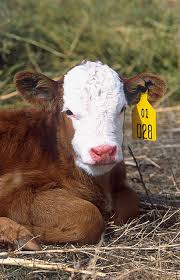
 analyzed to show how early cattle began to shed, an indication to how well adapted they were to the heat of the southeast. The study found that there was a definite correlation between speed of shedding and weaning weights, showing cows with slower shedding to raise lighter calves at weaning. The study states that there are many possible reasons why this relationship is present. One possible reason there is a connection between weaning weight and hair coat shedding is that prolactin levels in cows were affected. Prolactin is a hormone present in cows that affects lactation, but also has effects on hair loss. The study brought about possible conclusions that higher prolactin levels could influence hair shedding as well as milk production, leading into heavier calves at weaning.